Across Africa, poaching syndicates are evolving.
FAST. ORGANISED. RUTHLESS.
To stop them, conservation must evolve too!
Eye on Conservation (EOC) combats wildlife crime through a practical, field-based approach that supports those working on the front lines of conservation. We deliver targeted, intelligence-led solutions where they are most effective — on the ground.
Working in partnership with law enforcement agencies, conservation organisations, service providers, and funders, EOC helps strengthen protection across both private and state-owned reserves. Our work focuses on safeguarding rhino and other threatened species while contributing to long-term biodiversity conservation.
Eye on Conservation (EOC) is dedicated to combating wildlife crime through a hands on, direct and targeted approach focusing on implementing solutions from the ground up where the work needs to be done.Â
EOC’s strength lies in its hands-on, multi-disciplinary approach. Every operation we run is grounded in intelligence, driven by technology and executed by experienced specialists.

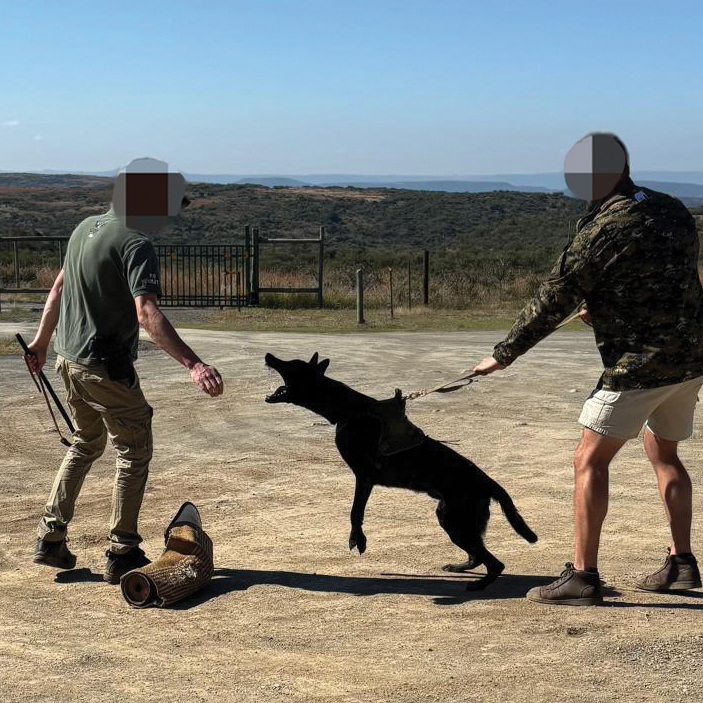
K9 Unit & Handler Training
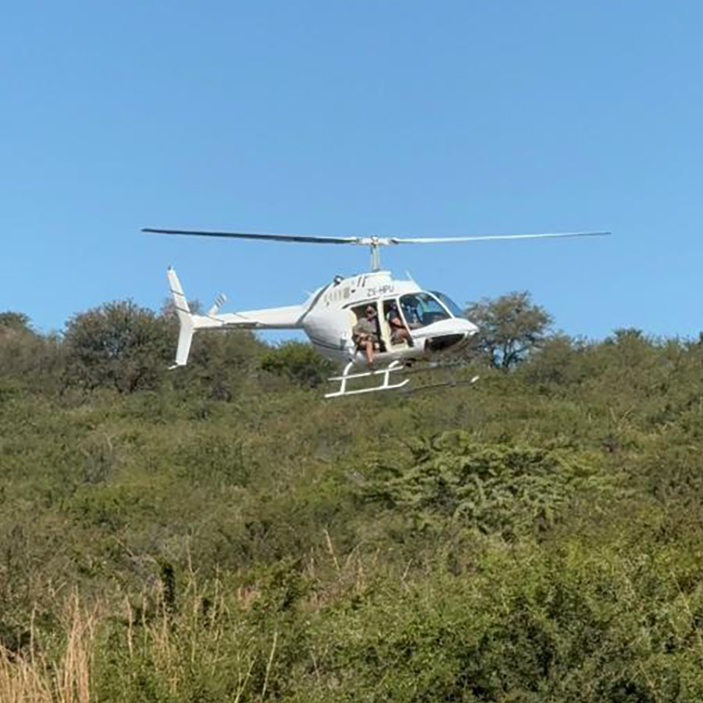
AI-Powered & Surveillance
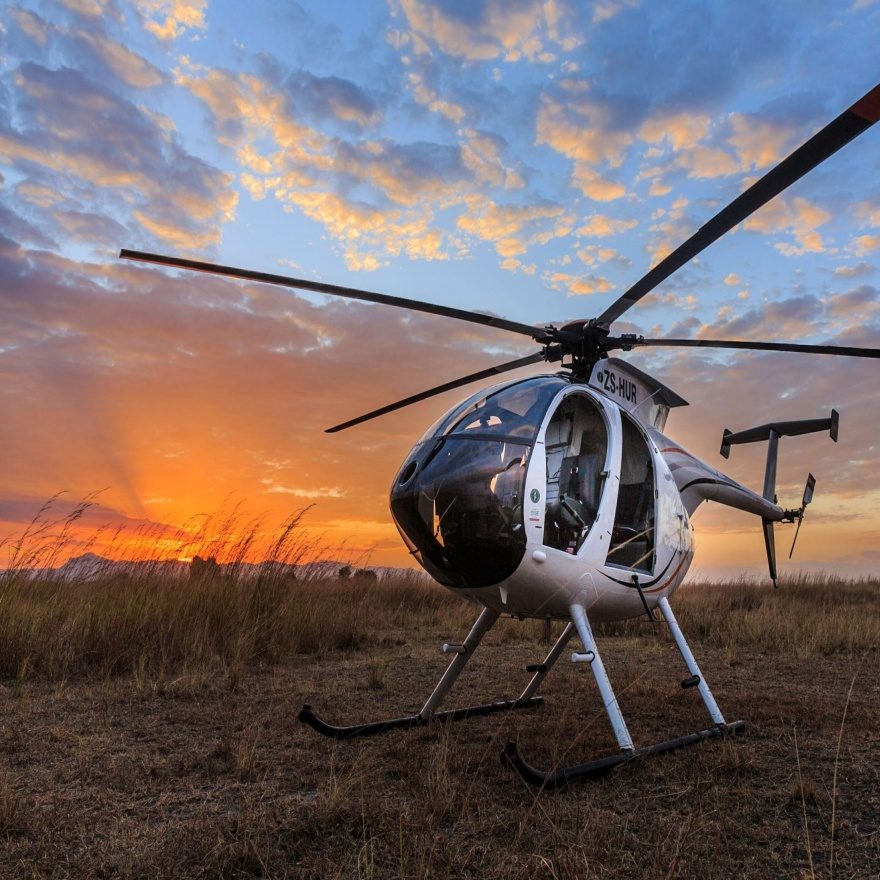
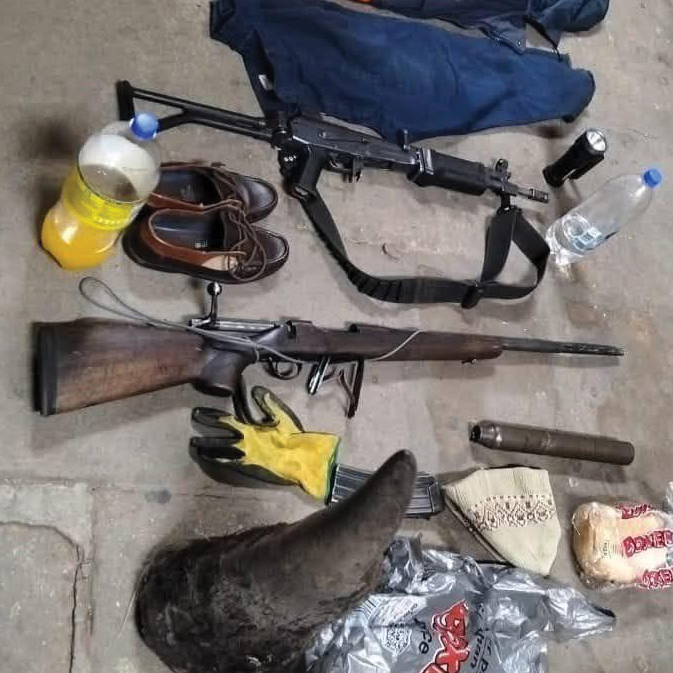
Security & Forensic Support
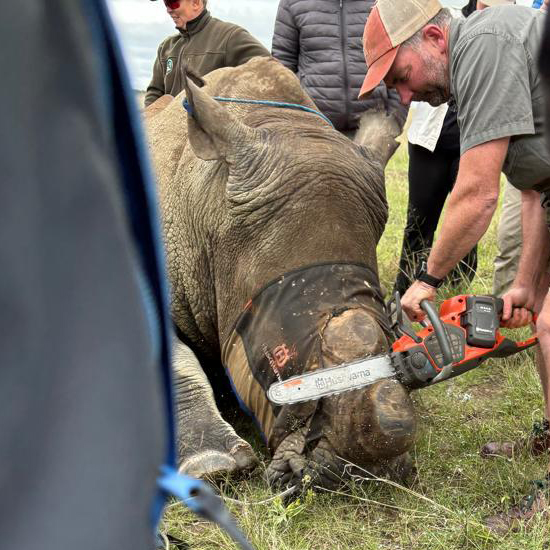
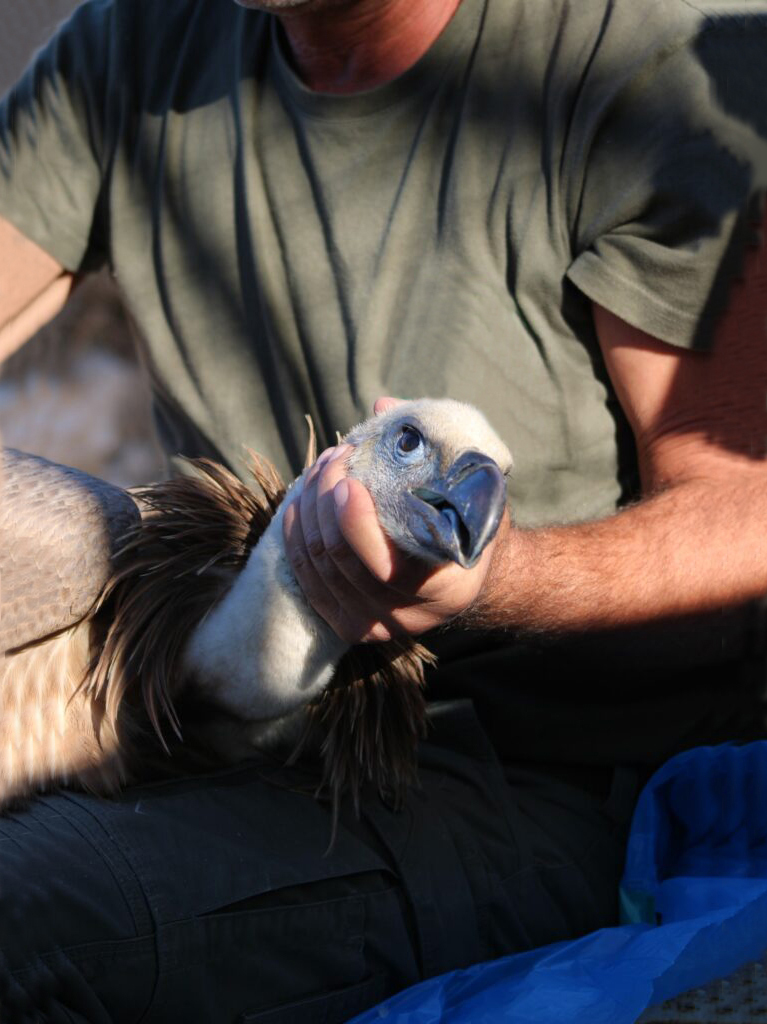
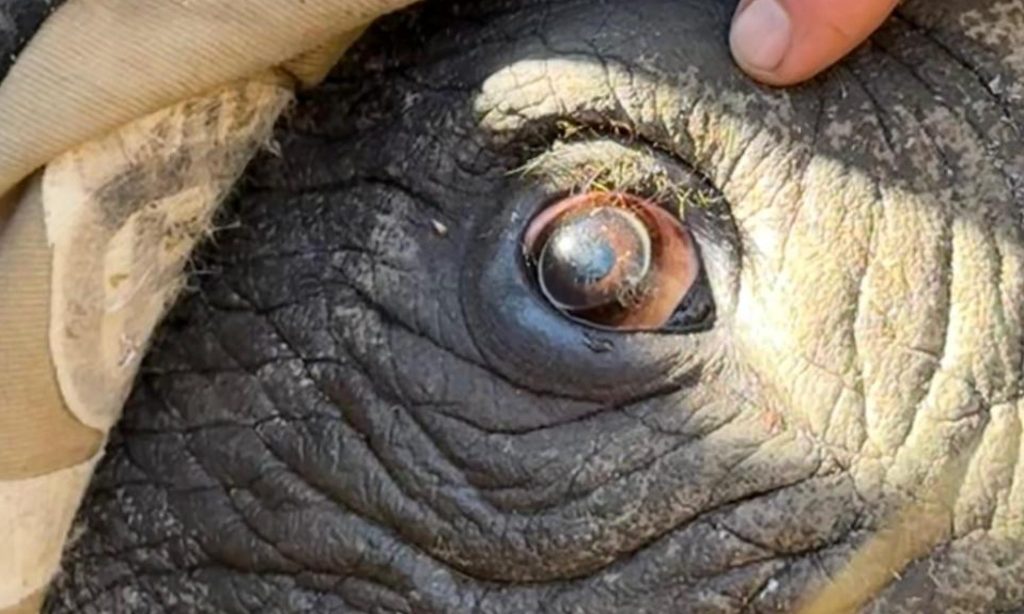
Veterinary & Wildlife Services
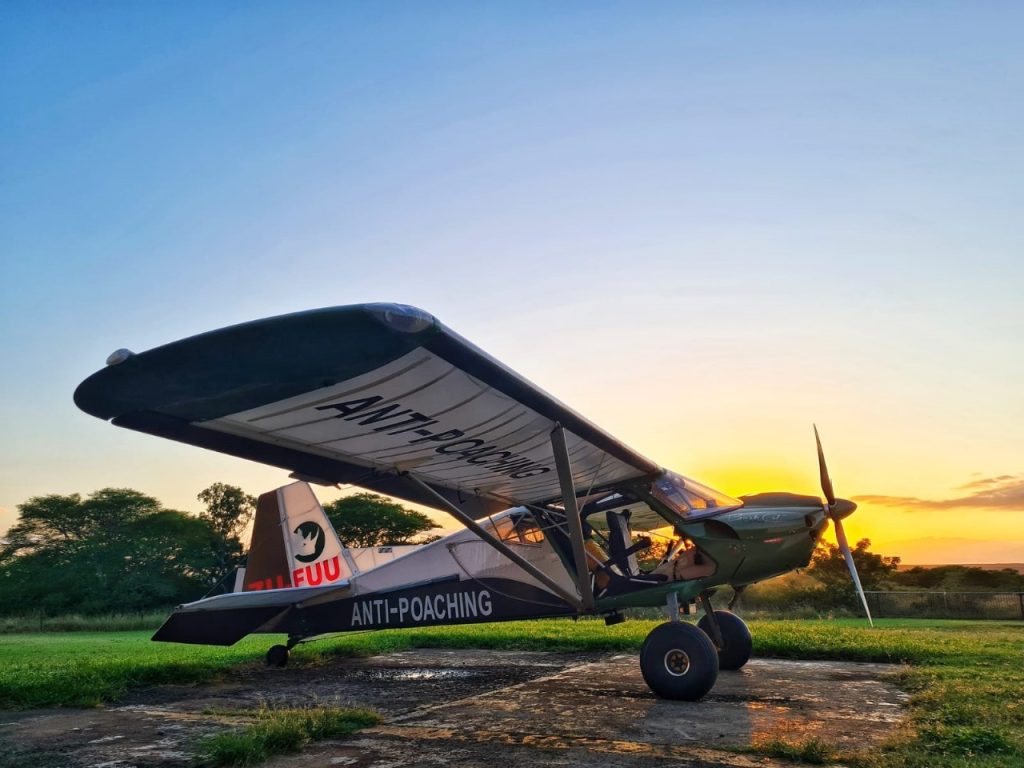
Our operations are currently self-funded but as our network grows, so does the need for sustainable support.
Monthly operational need: R180 000
Once-off setup & equipment costs: R200 000
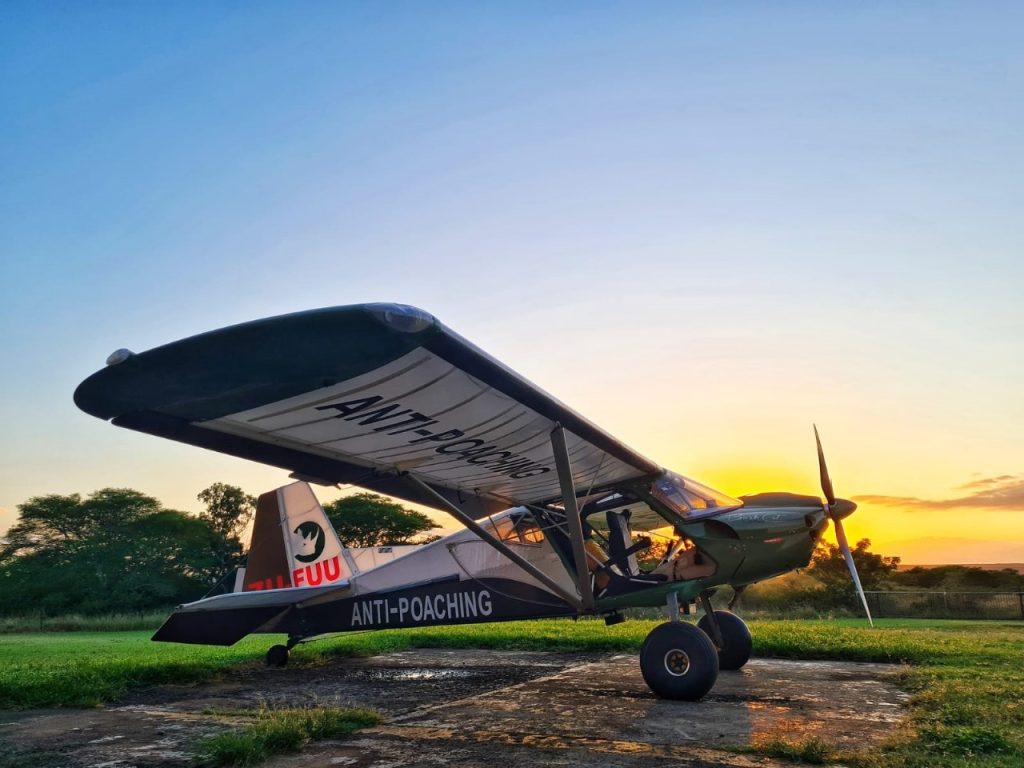
(Thanks to The Bateleurs for their air support, we were able to bring the rapid incident response cost down considerably).Â
In just a short time, EOC has delivered measurable, life-saving results
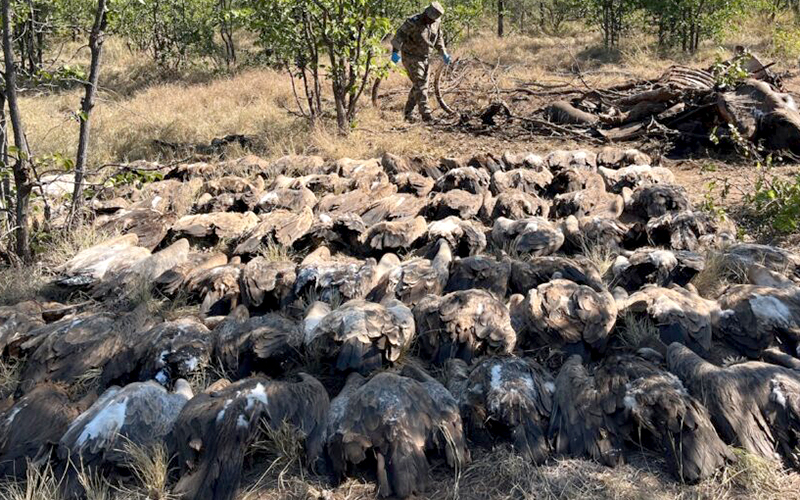
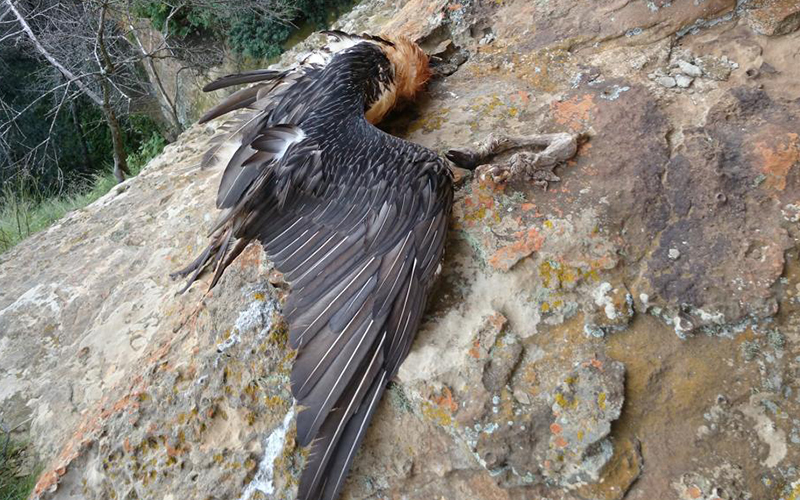
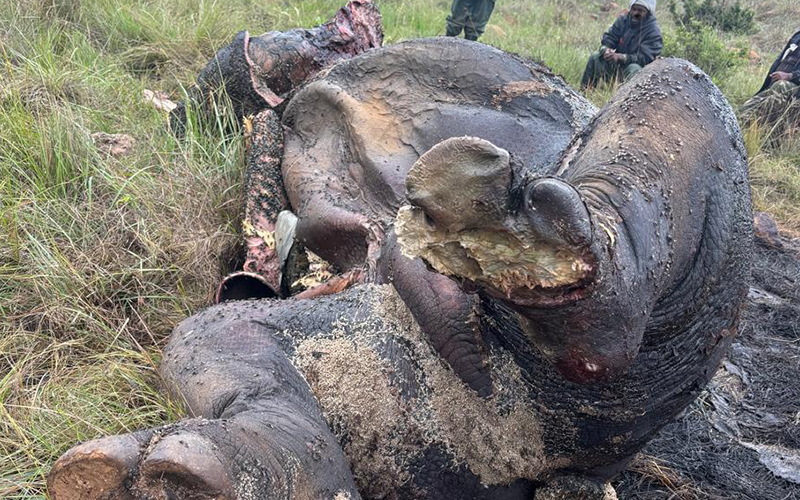
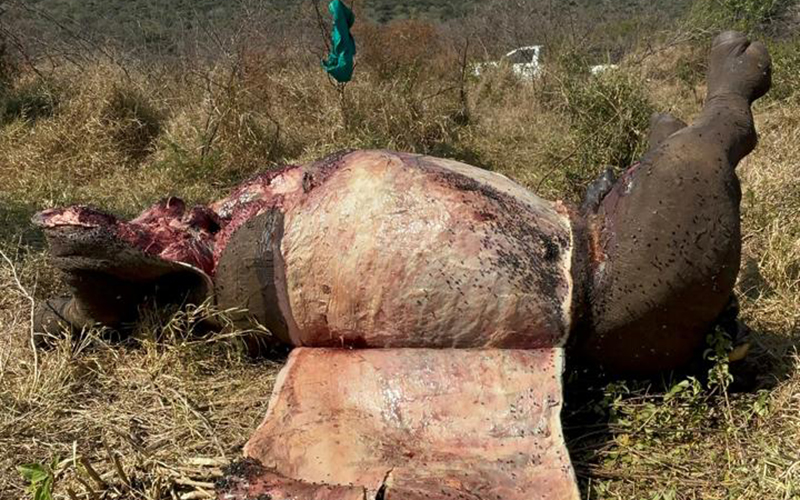
This page contains documentary material related to illegal wildlife poaching and the injury or death of endangered animals. The content is presented solely for educational, conservation, and awareness purposes, to help the public understand the severe impact of wildlife crime and the extensive efforts required to protect threatened species.
This material is not intended to shock or sensationalise violence, but to inform, document reality, and support conservation action.
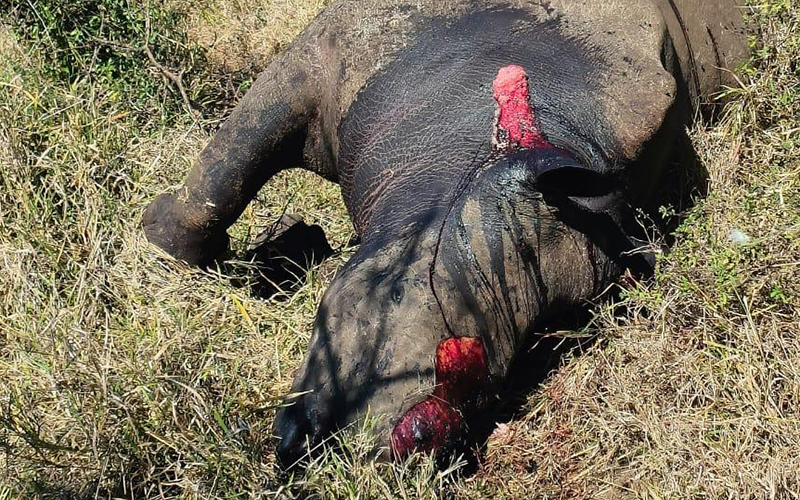
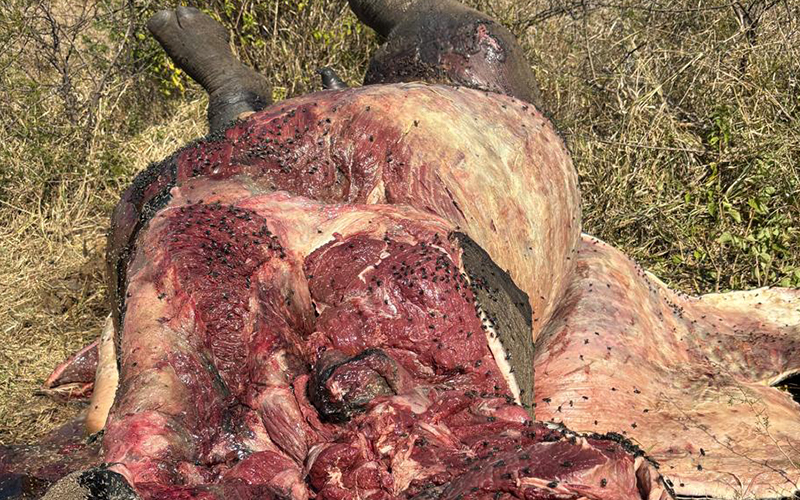
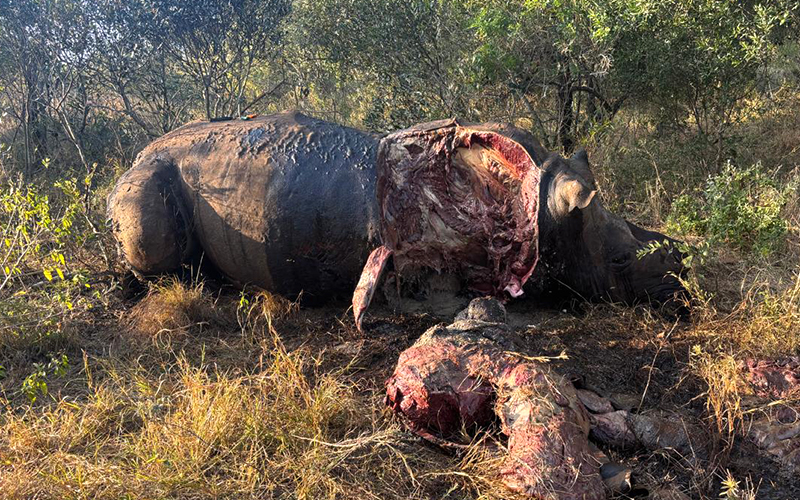
Images used to document wildlife crime and raise conservation awareness. NOT FOR SENSITIVE VIEWERS
The threat of losing our precious wildlife is deeply worrying.
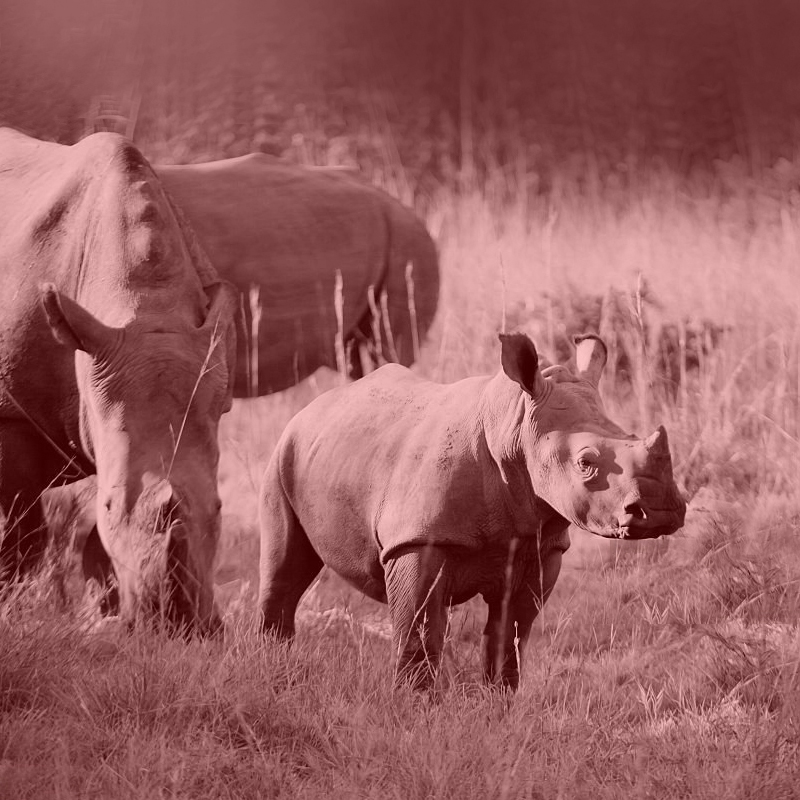
Without urgent intervention, our children may never see a rhino in the wild — or even know that a rhino once had a horn. Many of our iconic species are now endangered, and countless animals suffer devastating injuries or death at the hands of poachers. These crimes do not occur quietly or humanely — they leave lasting physical, emotional, and ecological damage. The criminals responsible show no regard for suffering, orphaned calves, or the long-term destruction of our natural heritage. What was once a tragedy has become a conservation emergency.
Dehorning a rhino is estimated to cost around R100 000, and locating bullets lodged in injured animals adds significant expense. The rescue, treatment, and rehoming of orphaned animals require specialised skills, enormous manpower, and countless hours of work.
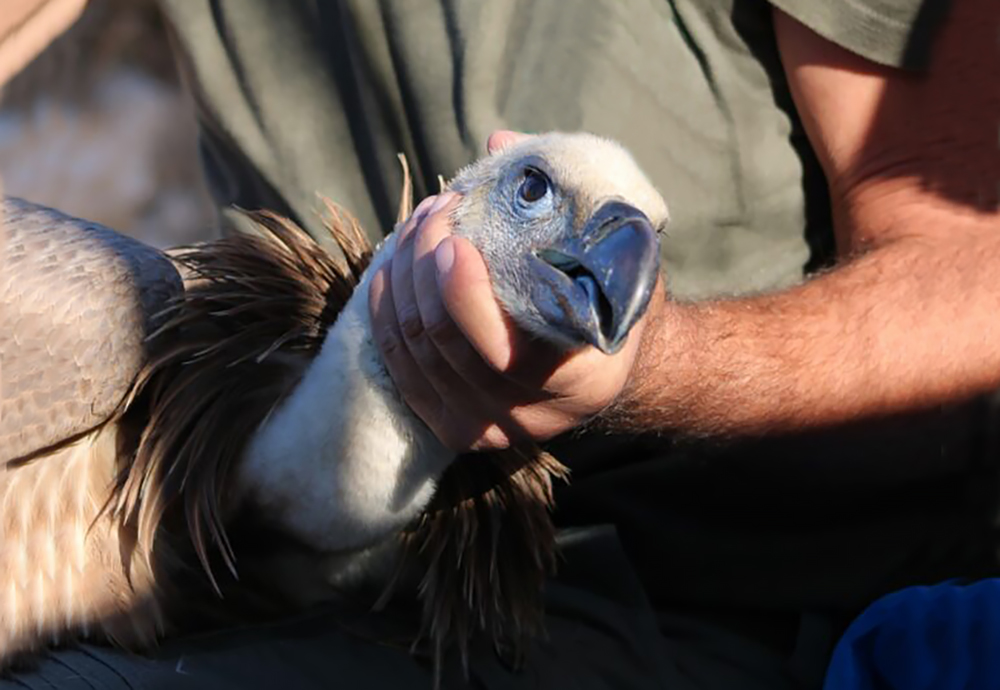
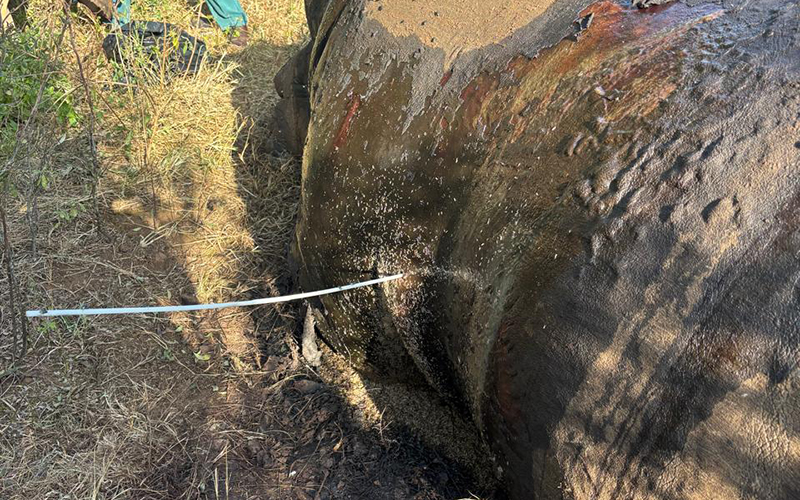
In many cases, our team is forced to carry out emergency veterinary procedures to save animals and gather forensic evidence that may help identify and prosecute those responsible.
These procedures are distressing, technically complex, and extremely costly. Locating and extracting bullets is often essential to understand how an animal was attacked and to support criminal investigations. While these interventions are upsetting to witness, they play a critical role in protecting remaining wildlife and holding perpetrators accountable.
Viewer Discretion Advisory
Some images in this section may be distressing. They are presented in a controlled, educational context to accurately document the reality of wildlife crime and to support conservation efforts.